
8 Common Eye Injuries and How to Deal With Them
You might think that eye injuries are rare. However, did you know that 200,000 workers in the US end up with work-related eye injuries every day?
Of which one-third require visitation to the emergency center. Meanwhile, more than 100 of these eye injuries result in a few days off work for these workers.
Indeed, what may look distinct can be a common thing when you take a close look at it. For threatening cases such as eye injuries, Thus, enough knowledge is in order. Read on to find out the most common eye injuries and how to best treat them!
1. Corneal Abrasion
A corneal abrasion occurs when you’re poked in the eye by scratching the surface. It can also be that there’s a foreign body present on your eye’s surface.
Corneal abrasions cause eye soreness and redness. It can also lead to severe light sensitivity. Abrasions in your eyes also make you more susceptible to fungus or bacteria.
Bacteria and fungus can penetrate your eye through scratch. This can result in graver harm within the next 24 hours. In some cases, contaminated eye abrasions can lead to blindness.
Hence, when something scratched your eye, don’t rub or attempt to patch it. Note that bacteria love growing in warm and dark areas. So putting a patch on the scratch will surely provide the ideal growing environment.
Instead, use an eye shield or loose tape a paper cup on the scratched eye. Immediately see a doctor and get this check out. For minor corneal abrasions, your doctor will at most give you an antibacterial drop.
2. Traumatic Iritis
Iris is the colored part of the eye that controls the amount of light that enters our eyes. When the iris receives a traumatic blow, such as when you get punched, or a ball hits you, it’ll inflame. When left untreated, it can lead to glaucoma, diminishing your vision.
Eye injuries such as traumatic iritis need professional help. Treatment includes prescription medication in the form of a pill, eye drops, or both.
3. Eye Trauma
Aside from corneal abrasions, eye trauma is one of the most common eye injuries worldwide. The majority of eye trauma cases fall under sports injuries or result from getting into fights. Like traumatic iris, eye trauma occurs when your eyes receive a direct blow.
Such a blow can cause severe eye pain, eye movement difficulties, or eye bleeding. Placing an ice pack on the injured eye is a necessary eye injury first aid treatment for such cases. However, it’s always best to visit a doctor afterward to ensure that there are no further damages.
4. Chemical Burns
Chemicals have acid and alkali in them, which can cause serious eye injuries. Acid, for one, can cause serious eye burn and redness. Meanwhile, alkali can damage both the external and internal eye structures.
Chemical eye injuries are a result of getting splashed by chemical substances. Chemicals may also transfer to your eyes when you rub them. In some cases, spraying liquid chemicals, especially near the eyes, may lead to a chemical eye injury.
Treatment for this eye injury depends on the severity of the compound. If you’re dealing with a subtle substance such as a soap or lotion, running water through the injured eye is enough. An immediate visit to the doctor is a must when the chemical substance involved is dangerous.
5. Eye Bleeding
Eye bleeding results from blood leaking from one or more breaks in the blood vessels located between the white part of the eye and its clear covering. Eye bleeding can be observable to a small part of your eyes or extend to the entire eye.
While this eye injury may look serious, the degree of its severity isn’t related to its appearance. Thus, don’t panic and proceed to schedule an appointment with your doctor to learn more about the injury.
In most cases, eye bleeding occurs spontaneously, and its causes are never found. The good thing is that this eye injury is painless. Often, they clear the way on their own after a few weeks from its appearance.
6. Hyphema and Orbital Blowout Fractures
Hyphema results from bleeding in the anterior chamber of the eyes. As blood flows into the eyes, the pressure quickly builds up, causing the eyelid to swell and the eye itself to turn red. When left untreated, hyphema can lead to permanent vision loss.
Meanwhile, orbital blowout fractures are breaks in the facial bones orbiting and supporting the eye. These eye injuries are commonly caused by blunt force trauma in the face. There is no better treatment for these eye injuries than an immediate visit to your local eye doctor.
7. Corneal Flash Burn
A corneal flash burn is a type of eye injury caused by light. This eye injury is like a sunburn but in the eyes. This is commonly caused by ultraviolet lights such as those found in tanning booths, the sun reflected by snow at higher altitudes where UV lights are intense, or welding arcs.
Treatments for eye injuries like this include use of dilating drops and medications. It also helps to cold compress the eyes to help decrease inflammation and soreness.
Meanwhile, antibiotic ointments are to prevent eye infections. Hence, don’t hesitate to visit your eye doctor to treat your corneal flash burn.
8. Foreign Objects in the Eye
Foreign objects getting into your eyes is one of the most common eye injuries today. Foreign bodies generally refer to objects made from glass, metal, wood, and the like. Whatever the case may be, you need an urgent visit to the emergency doctor.
Note that attempting to remove the foreign object yourself will do more harm than good. Thus, when a foreign object is penetrating any part of your eye, call someone who can assist you. After the visit to the emergency room, always follow up with an ophthalmologist for a more comprehensive eye care treatment.
Professional Handling of Eye Injuries by Warm Hands
While most common eye injuries result from spontaneous events, it doesn’t mean that they’re completely unavoidable. One preventive measure that you can take includes wearing protective glasses when operating power tools.
Injured your eye and currently looking for the best source of eye care provider? Perhaps you’re looking to buy new sunglasses?
Whatever it is, Cedar Park Vision is the eye health care provider you’re looking for! So visit or contact us today and experience the warmth our professional’s caring hands can provide you.
A Clear Look at the Best Nutrients for Eye Health
It’s important to maintain healthy eyes if you want to keep your vision clear for as long as possible. Did you know that what you eat and the vitamins and nutrients that you take are directly related to your vision and eye health?
You might be doing your eyes a disservice if you aren’t maintaining good nutrition!
We’re here to talk about some of the best nutrients for eye health. You can get some in your food, while others are best taken as supplements (especially if you have dietary restrictions).
Let’s discuss what to eat for eye health.
Vitamin E
Vitamin E is recommended for plenty of different health issues, but did you know that it’s good for your ocular health?
Your eyes (especially your retinas) contain a high amount of fatty acids (we’ll discuss those more in a later section, don’t worry). Vitamin E protects fatty acids from oxidation.
Some studies have speculated that vitamin E can help prevent future cataracts, though the evidence is unclear.
If you’re deficient in vitamin E, you may suffer from blindness or retinal degeneration. That said, many people get more than enough vitamin E in their diets to prevent this problem.
Vitamin E comes from plant sources. Even if you don’t get enough fruits and vegetables, you may still get enough vitamin E from plant-based oils, nuts and nut butters, and seeds.
Leafy greens, bell peppers, pumpkins, mangos, and avocados also have good amounts of vitamin E. In other words, as long as you get enough plants in your diet, you’ll be fine. Otherwise, try a supplement.
Zinc
Zinc functions as an antioxidant and your eyes contain plenty of it. It’s suspected to help with the development of pigments in your retina. Without these pigments, you’re at risk of night blindness.
It may slow the progression of macular degeneration, though this isn’t certain.
Again, many people get enough zinc from their diets, but many over-the-counter multivitamins also contain adequate zinc.
Food sources include red and white meat, nuts, seeds, beans, dairy products, and seafood. Oysters contain more zinc than any other food (with 605% of the daily recommended intake!).
Because many of the best zinc sources are meat and dairy, vegans and vegetarians may have trouble getting enough zinc in their diets. They should try zinc supplements as well as fortified cereals.
Omega-3 Fatty Acids
Omega-3 fatty acids are good for your skin, your brain, and your overall functions. Did you know that they’re also good for your eyes?
Taking enough omega-3 fatty acids can help with chronic dry eye, and may help to prevent ocular diseases. People who suffer from diabetes-related eye health problems may improve with omega-3 supplementation, and it may reduce the risks of diabetic retinopathy.
This importance starts from infancy (meaning that you should make sure that your children get enough omega-3 fatty acids in their diets early on). It helps the eyes develop. A lack of DHA from omega-3 fatty acids results in a greater chance of impaired vision.
As an adult, omega-3 fatty acids still help you maintain your vision. These fatty acids are present in high amounts in your retinas.
Omega-3 fatty acids are mostly sourced from seafood like mackerel, oysters, and anchovies. All fatty fish are great sources of omega-3 fatty acids.
This presents a problem for vegetarians and vegans. Flax seeds and chia seeds are rich in this nutrient, but if you don’t eat them every day, it’s best to take a supplement.
While most supplements are fish-based, new algae-based supplements are available for vegans and vegetarians.
Vitamin C
Vitamin C is a nutritional powerhouse. It’s great for keeping your immune system healthy which prevents things like colds and other viruses and promotes healing.
It’s also good for your eyes.
Your eyes need antioxidants. Vitamin C is concentrated in the outer layer of liquid on your eye (or the aqueous humor) so getting enough vitamin C helps to maintain that layer. Without enough antioxidants, you’re at risk of getting cataracts.
Lucky for you, most people get more than enough vitamin C in their diets (and if not, it’s also present in high amounts in multivitamins).
If you eat fruits and vegetables, you get vitamin C. These include papaya, guava, broccoli, citrus fruits like pineapple and oranges, and even potatoes! While you should always eat your fruits and veggies for overall health, make sure you do it for your eyes if nothing else.
Vitamin A
Did you know that vitamin A is the absolute most important nutrient for your eye health? A vitamin A deficiency is the number 1 cause of blindness.
A lack of vitamin A presents as dry and itchy eyes on the less severe end, then night blindness, and then more serious conditions like macular degeneration. This is because vitamin A maintains your photoreceptors (or the cells that sense light).
Most people get adequate amounts of vitamin A from foods. It’s found in egg yolks, and liver, as well as skim milk. That said, people who don’t eat dairy or meat may have trouble getting enough.
Some leafy greens and red, orange, or yellow vegetables and fruits (carrots, sweet potatoes, squash, and grapefruit for example) have good amounts of vitamin A. If you don’t eat enough fruits and vegetables on your plant-based diet, take a supplement to protect your eye health.
Use These Nutrients for Eye Health
Maintaining your eye health in your younger years will help you maintain your vision when you get older. Even if you’re already suffering from eye conditions, supplementing your vitamin intake with these nutrients for eye health may help to stop the progression of the condition or even reverse it.
Try these supplements and foods for good vision and protect your eyes today.
Do you want to make sure that your eyes stay healthy and your vision stays sharp? We want to help! Contact us at Cedar Park Vision and get an appointment today.
Breakup to Makeup: Is Your Old Makeup Causing Eye Infections?
Many people use makeup to convey their style and mood. Funky. Dramatic. Casual. Professional. Romantic.
The average American woman spends $8 a day on facial cosmetics. That can add up to $300,000 over a lifetime. It’s a significant investment in enhancing your beauty.
But, there’s a hidden danger with makeup. Poor application and old makeup cause infections, injury, and allergic reactions. The result is scary instead of appealing.
It’s easy to avoid problems when you follow makeup best practices. Keep reading for details on enhancing your appearance without irritating your eyes.
First, let’s look at issues caused by improper use of eye makeup.
Eye Infections
Conjunctivitis (aka Pink Eye) is the most common eye infection. It makes your eyes red, itchy, and watery. It’s caused by bacterial and viral infections or an allergic reaction.
Bacterial
A bacterial infection causes redness, swelling, and extra discharge from your eyes. It can be contagious. It’s caused by contact with some form of bacteria.
Makeup contains preservatives to stop bacteria growth. But, if the product isn’t sealed right, bacteria gets inside.
Makeup used past the end date is also prone to bacteria and fungi. You risk infection when you use old makeup.
Viral
People often get viral eye infections after an upper respiratory infection. Along with irritated eyes, swelling often occurs near the ears.
A viral infection is very contagious. The viral particles can remain on objects for weeks before infecting another person.
If you experience any of these symptoms schedule an eye exam right away.
Scratched Cornea
It’s easy to hurt your cornea while putting on mascara and eyeliner. Use extra care not to touch your eyeball with the applicator.
Avoid applying makeup in a moving vehicle where the potential for poking your eye is high.
A scratched cornea can lead to a corneal abrasion. Scratching your eye with old makeup containing bacteria can cause a serious infection.
Allergic Reactions
Always check the product label if you have allergies. Makeup formulas change often. It’s a good idea to check every time you buy a product.
Chemicals, fragrances, and preservatives in makeup cause allergic reactions in some users. Nickel and iron oxide are common irritants found in cosmetics.
An allergen makes your eye to water, turn red, swell, or become infected.
Don’t assume a hypoallergenic product is allergen-free. If your eyes are sensitive try one new cosmetic at a time. This helps determine which product causes the reaction.
Use Caution with Contact Lenses
If you wear contact lenses, you may be more susceptible to eye makeup problems. Small particles can contaminate your lenses. Oil or makeup on or under a lens can become an infection fast.
It’s best to put in your contacts before applying makeup. If you insert contacts after applying makeup, make sure your hands don’t have oil or makeup on them.
Avoid products with glitter and sparkles that can flake off. The particles could get trapped underneath the contact lens.
Next, let’s dig into ways you can prevent eye problems caused by makeup.
How to Prevent Eye Problems
Yes, you can wear makeup and protect your eyes at the same time. Follow these steps to reduce the risk of makeup-induced eye problems.
Not Sharing is Caring
When it comes to makeup it’s best not to share. It’s common to share makeup when a group of friends is primping for a night out together. But shared cosmetics spread bacteria and infection.
Get single-use applicators and individual mascaras for a makeup session with friends.
Throw Away Old Makeup
Every eye makeup product has an expiration date.
Mascara is good for 3 months. Creamy eyeshadow can last 6 months. Liquid and gel eyeliner expire after 4 months.
Bacteria and fungi grow in old makeup. Avoid bacterial infections by keeping your makeup up-to-date.
Replace products if the texture or smell changes. Toss eye makeup if it clumps, crumbles or changes color.
The best plan is to replace eye makeup every 3 to 4 months.
Check the Ingredients
Always look at the ingredients. This is vital if you’re prone to allergies.
A sensitivity can trigger a serious infection. The only way to stop an allergic reaction is to avoid ingredients that cause problems.
Avoid any makeup that contains untested or harmful chemicals or ingredients
Wash Your Face
Washing your face before you apply makeup prevents eye infections. Make sure your eyelids and lashes are clean. It’s a small but effective step.
Never go to bed with makeup on. Remove all your makeup before your head hits the pillow. It prevents stray mascara or makeup from irritating your eyes while you sleep.
If you use makeup remover, rinse your eyes with water to keep the remover out of your eyes.
Use a Soft Touch
A soft touch works when applying casual or dramatic eye makeup. Always be gentle when applying eye makeup. The skin around the eyes is sensitive.
Slow and steady application and removal protect your eyes from irritants.
Try not to apply eye makeup when you’re driving or riding in a vehicle. A sudden stop could result in trauma to your eyes.
Eyeliner Tips
Avoid putting eyeliner on the inside of your lash line. It makes you susceptible to scratches on your eye and eyelids.
Always sharpen your eyeliner pencil. A precise point makes it easy to apply without risk to your eyeballs.
Replace All Your Makeup After an Infection
It’s tempting to keep that expensive mascara, but it’s dangerous. Get rid of all your eye makeup after an infection. It’s the only way to avoid spreading bacteria.
Keep Your Eyes Safe and Healthy
It’s easy to reduce the risk of eye infection throwing out your old makeup. Follow all the steps above to keep your eyes safe when wearing makeup.
If you have concerns related to your eyes and makeup use, don’t hesitate to get treatment.
Contact Cedar Park Vision for an appointment today. We’re here to keep your eyes healthy and beautiful.
How To Prepare For Your Child’s First Eye Exam
Bringing children in for their first eye exam can be a somewhat worrisome encounter, and we don’t necessarily mean only for them. Experiencing something for the first time can make anybody anxious. As adults we understand that the unknown is always worse than the reality.
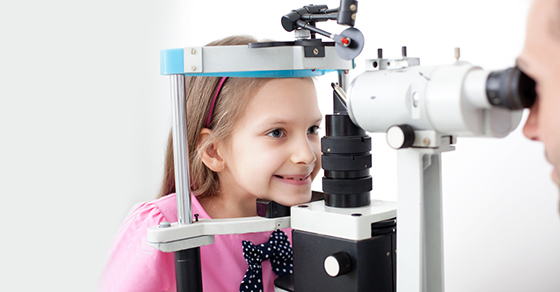
There are some simple ways to mitigate any anxiety by preparing both your child and yourself for the exam. Let’s look at some tips for how to prepare for your child’s first eye exam.
Preparing Your Child
Let’s start by suggesting that you don’t spend a lot of time talking about “testing” and eye “exams.” Some children may immediately think they are going to be judged or will give wrong answers. Instead, discuss how everyone’s eyes must be checked to find out if they are working right. Reassure them there will be no needles or anything that will hurt.
Explain how the eye doctor will give them some pictures to look at and some games to play with their eyes. Depending on their age, this will make the visit seem more like a fun activity.
The one part of the exam that can upset children is when dilating drops are administered. You can practice this at home with artificial tears and explain this is how the doctor can look inside their eyes.
Preparing Yourself
Children cannot always explain that they are having trouble with their vision. It is up to parents to observe and note certain behaviors that might be suspect. Does your child seem to blink excessively? Do they rub their eyes? Do they complain of headaches? These may be signs of vision issues.
Come prepared with information for the eye doctor concerning their family history. For example:
- Family history of eye diseases or refractive errors, like extreme nearsightedness
- Was your child born prematurely?
- Were there any instances of delayed motor development?
- List any other behaviors you may have noticed like sitting very close to the TV or computer, tilting their head, or having trouble following objects with their eyes.
Expect that the doctor will dilate your child’s eyes so be prepared to spend at least an hour at the office. Bring along some books, toys or games to keep them occupied.
Try not to schedule the appointment near their nap time, and bring along a non-perishable snack if you suspect they will get hungry. Your child will get their best evaluation if they are alert and happy.
One last piece of advice. Search out a vision center that welcomes pediatric patients, like Cedar Park Vision.
How Blue Light Affects Your Eyes
There’s no doubt about it – we are all addicted to our electronics and can’t seem to get enough screen time. What we don’t often pay attention to is how staring at a screen, whether it be a tablet, computer or phone, impacts our eyes. While having the world at our fingertips is truly amazing, the health concerns that come with this technology are becoming apparent. Here is how blue light affects your eyes, and how to ensure safe screening.
Digital Eye Strain:
Continual screen time can affect your eyes in two ways. The first most common and harmful effect is digital eye strain. While we are looking at a screen, our blink rate drops significantly. We naturally blink around 15-20 times a minute. When we stare at a screen for extended periods of  time, this number drops quite a bit, resulting in dryness and eye irritation. Often, we experience slightly blurry vision after having looked at the computer screen all day. This blurred vision is a side effect of digital eye strain, and it’s a way your eyes are telling you that they have been overworked. Many people get headaches after staring at a screen for too long, or their eyes feel dry, runny, and fatigued. While digital eye strain is temporary, it can lead to a chronic problem if left unaddressed and unmonitored. So many of us have adapted this into a natural part of our everyday routine that it often goes unnoticed and we are not concerned about these signs.
How to Counter DES:
The easiest and fastest way to relieve your eyes from digital eye strain is to actively pay attention to your eyes and blink more. Blinking lubricates your eyes, and helps them stay sharp throughout the long workday. The 20-20-20 rule is also a great way to help relieve your eyes and help them refresh. Every 20 minutes, stare at something 20 feet away for 20 seconds. This will help your eyes refocus and give them a break from the bright lights of your screen.
Blue Light Exposure Damage:
The second and more intense concern is blue light exposure damage. The problem with blue light is that it is the strongest form of light, as it is the highest energy wavelength of visible light. This kind of light has the ability to penetrate all the way to the back of the eye. It goes through the eye’s natural filters whereas other lights don’t. While occasional exposure to blue light is okay, the fact that we are constantly absorbing it can lead to macular degeneration, causing serious problems. Children are most at risk for developing ocular problems, as their eyes have yet to fully develop, and gain the protective pigment that helps filter out some of the harmful blue light. Limiting your child’s screen time is the best way to ensure they are protected against this. Adults are also susceptible, and especially so with the way we use our smartphones and laptops.
How to Prevent BLED:
To prevent damage from occurring, one of the best ways to help yourself is to limit screen time before bed. Studies have shown that blue light exposure interrupts our REM cycle of sleep. Reducing blue light exposure a couple hours before bed helps as this type of light is known to suppress melatonin and delays deep REM sleep from taking place. There are also lenses available to help block blue light absorption, and they are available for both adults and children. Speaking to your eye doctor about this will greatly benefit your whole family.
Taking a proactive approach in understanding how blue light affects your eyes will be helpful to you in the long run. Your eye health, productivity, moods, and sleep will thank you! Contact us for a consultation.
Caring for Your Children’s Eyes
Taking your child to the doctor for checkups is a routine you generally don’t miss – caring for your children’s eyes should fall within those responsibilities as well. The health of your children’s eyes is extremely important – here are some ways in which you can ensure you stay on top of helping them maintain good eye health.
Eye Doctors
Scheduling time for eye doctor checkups is equally as important as regular doctors. Eye infections, vision problems, or any diseases can be detected early on and can thus be treated effectively. There are different doctors with different names, and knowing the difference will make it that much easier to know what’s right for your child.
Eye Exams
 Knowing when to schedule those eye exams and what to check for will help in keeping your children on the right track. Newborns should be checked in the hospital by a family physician or pediatrician for general eye health. Those newborns who are high-risk, premature or who have a history of eye problems should be given some extra care when being checked and should have an eye doctor conduct the exam.
Throughout their first year, infants should be screened regularly by their pediatrician. Ages 3.5 and up should be regularly checked by an eye doctor for eye health, acuity, alignment and if there is a possibility of needing prescription glasses.
Eye Drops
Allergy season can pass by without any hiccups, or it can wreak havoc on your home. If your children suffer from allergies to pollen, hay,  grass, dust, or any other allergens in the air, it will be beneficial to you both to be proactive in getting them eye drops that work for them. If you are unsure whether your child will get affected by allergy season, look out for red eyes, itchy eyes, and sneezing.
If you notice these symptoms, consult your eye doctor and get the right drops for your kid. Often, over the counter drops will do the trick. Be diligent in applying them as per the box instructions, and for kids who are old enough, showing them how to do it themselves will help them while they are at school/playing outside.
Eyewear
As kids get older, eye wear might become a necessity. If your child has a prescription, they will need glasses for either all the time or sometime use. Children age 10 and up might opt for contact lenses, so teaching them how to properly put in their lenses and take them out is essential in maintaining the health of their eyes. Kids who are active and play sports might need protective eyewear, so researching what is right for them and getting them properly equipped is also a necessity. With your diligence, they will learn the importance of maintaining and caring for their eyes, a habit that will transgress into their adult years.
Caring for your children’s eyes is an important part of their overall health. Get them into the right routine, and don’t forget to keep the carrots coming! Contact us for booking appointments.