
Breakup to Makeup: Is Your Old Makeup Causing Eye Infections?
Many people use makeup to convey their style and mood. Funky. Dramatic. Casual. Professional. Romantic.
The average American woman spends $8 a day on facial cosmetics. That can add up to $300,000 over a lifetime. It’s a significant investment in enhancing your beauty.
But, there’s a hidden danger with makeup. Poor application and old makeup cause infections, injury, and allergic reactions. The result is scary instead of appealing.
It’s easy to avoid problems when you follow makeup best practices. Keep reading for details on enhancing your appearance without irritating your eyes.
First, let’s look at issues caused by improper use of eye makeup.
Eye Infections
Conjunctivitis (aka Pink Eye) is the most common eye infection. It makes your eyes red, itchy, and watery. It’s caused by bacterial and viral infections or an allergic reaction.
Bacterial
A bacterial infection causes redness, swelling, and extra discharge from your eyes. It can be contagious. It’s caused by contact with some form of bacteria.
Makeup contains preservatives to stop bacteria growth. But, if the product isn’t sealed right, bacteria gets inside.
Makeup used past the end date is also prone to bacteria and fungi. You risk infection when you use old makeup.
Viral
People often get viral eye infections after an upper respiratory infection. Along with irritated eyes, swelling often occurs near the ears.
A viral infection is very contagious. The viral particles can remain on objects for weeks before infecting another person.
If you experience any of these symptoms schedule an eye exam right away.
Scratched Cornea
It’s easy to hurt your cornea while putting on mascara and eyeliner. Use extra care not to touch your eyeball with the applicator.
Avoid applying makeup in a moving vehicle where the potential for poking your eye is high.
A scratched cornea can lead to a corneal abrasion. Scratching your eye with old makeup containing bacteria can cause a serious infection.
Allergic Reactions
Always check the product label if you have allergies. Makeup formulas change often. It’s a good idea to check every time you buy a product.
Chemicals, fragrances, and preservatives in makeup cause allergic reactions in some users. Nickel and iron oxide are common irritants found in cosmetics.
An allergen makes your eye to water, turn red, swell, or become infected.
Don’t assume a hypoallergenic product is allergen-free. If your eyes are sensitive try one new cosmetic at a time. This helps determine which product causes the reaction.
Use Caution with Contact Lenses
If you wear contact lenses, you may be more susceptible to eye makeup problems. Small particles can contaminate your lenses. Oil or makeup on or under a lens can become an infection fast.
It’s best to put in your contacts before applying makeup. If you insert contacts after applying makeup, make sure your hands don’t have oil or makeup on them.
Avoid products with glitter and sparkles that can flake off. The particles could get trapped underneath the contact lens.
Next, let’s dig into ways you can prevent eye problems caused by makeup.
How to Prevent Eye Problems
Yes, you can wear makeup and protect your eyes at the same time. Follow these steps to reduce the risk of makeup-induced eye problems.
Not Sharing is Caring
When it comes to makeup it’s best not to share. It’s common to share makeup when a group of friends is primping for a night out together. But shared cosmetics spread bacteria and infection.
Get single-use applicators and individual mascaras for a makeup session with friends.
Throw Away Old Makeup
Every eye makeup product has an expiration date.
Mascara is good for 3 months. Creamy eyeshadow can last 6 months. Liquid and gel eyeliner expire after 4 months.
Bacteria and fungi grow in old makeup. Avoid bacterial infections by keeping your makeup up-to-date.
Replace products if the texture or smell changes. Toss eye makeup if it clumps, crumbles or changes color.
The best plan is to replace eye makeup every 3 to 4 months.
Check the Ingredients
Always look at the ingredients. This is vital if you’re prone to allergies.
A sensitivity can trigger a serious infection. The only way to stop an allergic reaction is to avoid ingredients that cause problems.
Avoid any makeup that contains untested or harmful chemicals or ingredients
Wash Your Face
Washing your face before you apply makeup prevents eye infections. Make sure your eyelids and lashes are clean. It’s a small but effective step.
Never go to bed with makeup on. Remove all your makeup before your head hits the pillow. It prevents stray mascara or makeup from irritating your eyes while you sleep.
If you use makeup remover, rinse your eyes with water to keep the remover out of your eyes.
Use a Soft Touch
A soft touch works when applying casual or dramatic eye makeup. Always be gentle when applying eye makeup. The skin around the eyes is sensitive.
Slow and steady application and removal protect your eyes from irritants.
Try not to apply eye makeup when you’re driving or riding in a vehicle. A sudden stop could result in trauma to your eyes.
Eyeliner Tips
Avoid putting eyeliner on the inside of your lash line. It makes you susceptible to scratches on your eye and eyelids.
Always sharpen your eyeliner pencil. A precise point makes it easy to apply without risk to your eyeballs.
Replace All Your Makeup After an Infection
It’s tempting to keep that expensive mascara, but it’s dangerous. Get rid of all your eye makeup after an infection. It’s the only way to avoid spreading bacteria.
Keep Your Eyes Safe and Healthy
It’s easy to reduce the risk of eye infection throwing out your old makeup. Follow all the steps above to keep your eyes safe when wearing makeup.
If you have concerns related to your eyes and makeup use, don’t hesitate to get treatment.
Contact Cedar Park Vision for an appointment today. We’re here to keep your eyes healthy and beautiful.
Top Eyewear Trends 2019 Ushered In by Social Media
Seeing is believing, and your vision is about to become clear.
The eyewear trends in 2019 are out of this world. If you don’t believe us, then take a look at the latest frames to hit the runway.
This year you can revamp your look with the latest frames to highlight your best features. If you have to wear glasses to see, then you might as well feel great sporting a new pair of eyeglasses.
Whether you’re planning to ditch your contacts or replace your sunglasses, you’ll want to show off these stylish frames for 2019. Check out our list of shapes, sizes, and colors to find out where eyeglass fashion is headed this year!
Nerd Alert
The nerd trend is still on point for 2019, but with a modern edge. Large plastic frames are still in. Celebrities are sporting these oversize frames in square shapes and dark colors. You can mix it up this year by expanding your color palette or picking a traditional pattern like tortoiseshell.
Go extra nerdy with a pair of round wire frames. The metal frame is chic and simple, but the shape will be modern and fashion forward. This year you can pull off the Harry Potter look with this new approach to an old classic.
Modern Vintage
If you like the retro look, then this year won’t disappoint. This year we continue to see modern twists to our favorite fashion eras.
Topline frames are two-toned and offer a vintage feel. Typically they have a dark color on top and a starkly different lighter shade halfway down. These make for a modern meets vintage look. The style frames your eyes without feeling too heavy and closed-in.
They’re a great alternative to purchasing all black frames. You can wear this soft look can be in a variety of shapes and sizes, such as round or cat eye, to match a variety of face shapes.
Go Big or Go Home
If you’re ready to make a statement with your frames, then you can snatch up these frames that extend outside the width of your face. Rather than trying to hide your glasses, why not make them the main part of your style?
The biggest trend this year are aviators, which are being worn extra large. Metal aviator frames look chic and fashion forward. Get lenses that transition into sunglasses and your aviators can play double duty throughout your day.
Aviators are a great option for both men and women. They’re a timeless shape so you can’t go wrong with this style.
Mod Squad
Speaking of big, 2019 is bringing chunky back in the best ways. There’s a new trend on the rise and it’s 70’s-inspired. We love these large frames that are big and bold with a throwback feel.
If you want to be fashion forward with your new glasses, then you can hop on this growing style trend then get yourself to a disco. Plus, you don’t have to pair these with bell bottoms. They go with modern and hipster looks.
Subtle Yet Stylish
Don’t want your glasses to distract from your smiling face? One of the latest eyewear trends in 2019 is transparent frames. These plastic frames come in light and airy colors like pink or tan that are more subdued.
The transparency takes away from the harsh lines of darker frames while still being fun and flirty. They also make it easier to match with your daily style. These glasses showcase your style without shouting it.
You can also go for an even more barely-there approach with these frameless wire glasses.
Geometric
Tired of the same old shapes? Frames are taking on new geometric shapes to add dimension to your look.
Don’t settle for a circle or a square, you can find glasses with more angles. Pair it with a transparent color if you don’t want to get too bold. You can also go for it and get them in bright colors and patterns.
Right Meow
Some of your favorite trends are still having their day in the sun with new twists. The cat-eye shape is still a favorite among designers, but with even more variations to choose from.
These new styles match solid colors with patterns, and you can also try unique shapes like hearts like those seen on the runway. Even triangle shaped glasses are making the scene but in a futuristic approach.
Which brings us to our next trend…
Spaced Out
This year we are seeing a new trend that takes your eyewear out of this world. You can try this trend in the eyeglasses and sunglasses variety. Protecting your eyes from the sun is more than trendy. It’s a matter of safety.
These glasses look like they’re straight out of a sci-fi movie. The space cadet look has already landed on the runway and we suspect they’ll be blowing up in stores near you.
Patterned
Take your color palette to the next level with some patterned eyewear. Gone are the solid and tortoiseshell varieties. We’re going to see a boost in patterns and color combinations that take on a life of their own.
Sure, you may have a hard time matching these to every outfit you own. But sometimes you can’t hold back from something you love.
Double Bridge
For a sophisticated look, you’ve got to try out the double bridge. This look works for men and women and can come in a variety of styles. Including a sporty or contemporary feel.
Try it in gold or dark metal and you’ll be turning heads on your next walk around town.
Which of these Eyewear Trends in 2019 Will You Choose?
This year try an eyewear trend that will make you stand out. It’s a year of fun, flirty, and far out.
Whether you plan to try a new bold color or a classic look with a new twist, 2019 is your year to get creative.If you’re looking for the best eyewear trends in 2019, we’ve got something for everyone. Contact us to learn how you can get your hands on some great new glasses!
Presbyopia Causes and How to Treat It
Everyone will experience a vision issue known as presbyopia, and there is no way to avoid it. If you are holding your smartphone farther away to read it or are having trouble seeing the dashboard of your car, you most likely are experiencing presbyopia. Since it is inevitable, let’s uncover presbyopia causes and how to treat it.
The Cause of Presbyopia
As we age our bodies change. Certain physical activities we could easily do in our twenties become more difficult in our forties. It is a fact of life and our vision is no different. We never had any problem changing focus from near to far and back again. All this changes as we age and is a sign of presbyopia.
This change happens around age forty as the clear lens inside our eyes loses its ability to change focus naturally. Similar to aging muscles, the lens becomes stiff and less flexible. Just like the lens in a camera needs to change focus to obtain a clear picture, the lens in our eyes must be able to make that adjustment for clear vision.
With the onset of presbyopia our ability to see up close becomes compromised. We find ourselves holding reading materials further and further away to regain focus. Many of us laugh about it, but it is a real challenge and one most of us don’t accept easily.
We squint, we find it hard to read labels, and tend to avoid any close up work. But most of us cannot go through life without our near vision. We need our close up vision in our occupations, many recreational activities and hobbies. It becomes a visual disability.
Simple Presbyopia Fixes
Luckily there are multiple ways to treat presbyopia and give us back our near vision. You don’t have to go through life without doing the things you love or are required for your job.
Reading glasses
For many patients experiencing presbyopia the simplest treatment is a pair of prescription reading glasses. For those patients with no other vision issues, this is an acceptable and easy way to treat presbyopia. They only need to use them for near vision like reading.
Patients who already wear glasses for refractive errors now can change their prescriptions to accommodate for presbyopia. Bifocals or progressive lenses will give these patients the ability to see at multiple distances. You can choose either bifocals with a definitive line on the lenses, or without any obvious lens line known as progressive lenses. In both cases you must wear these glasses to see at either distance.
Monovision Contact Lenses
 If a patient already wears contact lenses for a refractive error, then the eye care professionals at Cedar Park Vision may recommend monovision contact lenses to treat presbyopia. In this situation a patient’s dominant eye is corrected for distance vision and the other eye for close up vision.
Not everyone can tolerate monovision so a trial time will be necessary. Depth perception is somewhat compromised but many patients are thrilled with this convenient treatment for presbyopia.
Cataracts and Presbyopia
Cataracts are another result of aging. They normally come later in life and must be removed for clear healthy vision. In addition to losing flexibility and the ability to accommodate, our lens becomes cloudy and yellows as we get older. This cloudy lens is a cataract and it diminishes vision.
Patients who have been wearing bifocals, progressive lenses or even movovision contact lenses for presbyopia for a number of years can get an added bonus when they have cataract surgery.
The replacement lens can provide the opportunity to restore near vision. These artificial lenses known as intra-ocular lenses (IOLs) are available to correct many visual issues. An eye care professional like those at Cedar Park Vision can help you decide on the perfect lens for you and your lifestyle. They work closely with cataract surgeons to prepare you for your cataract surgery and help with the follow up care.
LASIK and Presbyopia
LASIK does not correct presbyopia, but a patient who is nearsighted and presbyopic can decide to have LASIK performed creating the same scenario as monovision contacts. If you already wear your contacts this way, it is an easy transition. If you have never experienced monovision, you will need to try it first with contact lenses to be sure you can tolerate the change.
Only an experienced eye care professional can make the right recommendations to treat presbyopia and your eyes.
No matter your age, you can trust your vision to the doctors and staff at Cedar Park Vision.
If you are having trouble with your near vision and think you may be developing presbyopia, contact Cedar Park Vision for a comprehensive eye exam.
The Most Common Eye Diseases and Treatment Options

Many patients believe eye diseases are more prevalent among older adults, but that is not always the case. We will review the most common eye diseases and treatment options, and you might be surprised to learn that pediatric patients and those in their 20s and 30s can have eye diseases too.
There are no symptoms with certain eye diseases, and the only way to detect many sight-threatening conditions is through regular dilated eye exams. Consider your own medical history and that of your family as you read further about the most common eye diseases.
Glaucoma
One such eye disease with no apparent symptoms is Glaucoma. It affects the optic nerve and retina as it slowly and silently steals your vision. With glaucoma fluid inside the eye does not drain properly causing increased pressure also known as intra-ocular pressure or IOP. With this increased level of pressure blood does not reach the optic nerve, and vision is diminished.
The only early symptom of this eye disease is a loss in peripheral vision. Unfortunately most patients don’t even notice this is happening until it is too late. Any damage from glaucoma cannot be reversed.
If you have diabetes you are twice as likely to develop glaucoma. The best way to detect glaucoma at an early stage is a routine eye exam. Once this common eye disease is diagnosed, there are treatments to slow its progression, but early diagnosis is key to preserving your vision.
Diabetic Retinopathy
There are many eye diseases related to diabetes. Diabetic retinopathy is one of the most prevalent and one of the leading causes of blindness in adults. It affects the blood vessels in the retina.
Depending on the type of retinopathy it can be a mild case, or lead to retinal detachment, vitreous hemorrhage or cause macula edema. In the last case vision can quickly be lost.
Any patient with diabetes, including children, should regularly visit their primary care physician, monitor and control their sugar level, and have frequent exams with their eye care professional.
Cataracts
Although more a condition than a disease, cataracts are very common and must be removed to maintain your vision and lifestyle. As we age the natural lens in our eyes becomes yellowed and cloudy. If not removed through cataract surgery, vision becomes compromised and everyday tasks like driving become difficult if not impossible.
There are many artificial lens options available to patients after cataract surgery to improve overall vision including near vision, intermediate and distance vision.
Visit Cedar Park Vision for an appointment if you suspect you may have cataracts.
Macular Degeneration (AMD)
Also known as age-related macular degeneration, this eye disease is so named because it causes the degeneration of the part of the retina known as the macula. As it progresses, it distorts central vision and blind spots appear.
It is the leading cause of vision loss in patients 65 or older and it progresses slowly and painlessly. There are some drugs to slow down the progression of AMD.
Although there is no real cure, there are some ways to lessen your risk of developing macular degeneration or slowing its progression.
- Eat a healthy diet rich in omega 3 fatty acids like salmon
- Exercise regularly
- Don’t smoke
- Eat plenty of dark leafy vegetables and colorful fruits
- Wear sunglasses
Amblyopia
When the eyes do not work together, one eye becomes much weaker than the other, and patients can develop amblyopia. This frequently happens with young children who cannot explain why they are having trouble seeing properly or performing in school. . Sometimes known as lazy eye, amblyopia causes the stronger eye to become dominant.
There are simple treatments like patching the stronger eye to make the weak one stronger. If the case is severe enough and all treatments have failed, surgery may be needed.
If your child is having difficulty in school, it may be a visual issue. Bring them to an eye care professional for an eye exam.
Eye Diseases Can Occur at any Age
Everyone is susceptible to common eye diseases from children through seniors.
As with all eye conditions or common eye diseases, a regular eye exam is the best defense. A routine exam can detect, diagnose and prevent the progression of some serious eye issues.
Keep you and your whole family safe from common eye diseases.
Contact Cedar Park Vision to preserve your vision.
Think 20/20 Vision Means You Don’t Need an Eye Exam? Think Again!
Don’t like going to the doctor? You’re not alone. However, taking care of your health now (before problems get worse) is one of the best gifts you can give both your present and future self!
Do you have 20/20 vision? While you may not have any apparent problems with your eyesight, you still need a regular eye exam.
Let’s get into what you need to know.
Why Do You Need An Eye Exam?
Even though your eyes may be relatively small compared to the rest of your body, they provide invaluable information about your overall health.
For example, comprehensive exams may be able to detect medical conditions including:
- high cholesterol
- high blood pressure
- lupus and other autoimmune diseases
- diabetes
- thyroid disease
- neck tumors
- cancer
Moreover, they can also identify early stages of macular degeneration and glaucoma. Catching these problems earlier rather than later can help you avoid more severe consequences in your treatment.
Finally, an eye exam can reveal the subtle changes that may be happening to your eyes. Vision problems are not always apparent. The changes may be so slow that you don’t even realize how they are affecting you.
What Happens During An Eye Exam?
Eye exams are quick and painless. Similar to any other doctor appointment, you will answer general questions regarding your overall health, medical history, and medication.
The optometrist will ask you to read various letters from an eye chart through a series of lenses. This test will determine your vision. He or she may also administer other tests related to your peripheral vision, 3D vision, and color perception.
Doctors test for glaucoma by administering a puff of air near your eye or by using a device that skims your eye’s surface.
After the exam, the optometrist will review your results. You will also have the opportunity to ask any questions pertaining to your care. From there, depending on the results, you may be prescribed medication or provided a prescription for glasses.
How Frequently Do You Need An Exam?
It depends on your age and current situation The American Optometric Association recommends an exam every year. Young children should receive a comprehensive exam before entering school and then every year after that.
Of course, you may need more frequent visits if you have a family history of eye problems or you have chronic medical conditions that may increase your risk for developing issues.
Furthermore, you should always consult with your optometrist to determine the appropriate schedule for your needs.
How Much Will It Cost?
Many vision insurance policies cover part of your yearly comprehensive eye exams. They may also other benefits like discounts on prescriptions or glasses.
If you don’t have insurance, you can pay an out-of-pocket fee to the office. Some practices will negotiate with you depending on your financial situation.
That said, cost should not be a prohibitive factor. Untreated eye problems can become progressive- which translates to progressively more expensive the more you delay treatment.
How Else Can You Protect Your Eyes
Of course, going to the optometrist regularly is one of the best ways to detect problems and receive preventative care. However, there are several strategies you can also use to keep your eyesight in good shape.
Wear Sunglasses
You probably wear them at the beach, but you really should be wearing sunglasses any time you are outside. Ultraviolet radiation (UV rays) can create serious, permanent damage to your eyes.
Purchase a pair of sunglasses that offers 100% protection against UVA and UVB rays. Don’t just pull them out when the sun is bright. UV rays can be powerful in cloudy weather.
Stop Rubbing Your Eyes
Want to know one of the easiest ways to spread a preventable disease to yourself? It’s by failing to wash your hands- and then touching your eyes afterward.
If you must touch your eye, always make sure to wash your hands thoroughly with soap and warm water.
Eat A Nutritious Diet
We’ve all heard the adage about carrots and eyesight, but your eye health is so much more than just carrots!
You should make sure that you are getting a rounded diet full of minerals and nutrients like Vitamin C, Vitamin E, and zinc. You can achieve this via a diet concentrated in vegetables and fruits.
Finally, don’t forget your water intake! Dehydration can impact eyes because it can make it challenging for the body to produce tears. This problem can lead to symptoms associated with dry eyes.
Get Plenty of Sleep
If you needed yet another reason to get a good night’s sleep, consider your eyesight. Lack of sleep impacts your cognition on visual tasks (like driving or operating other machinery).
Furthermore, when you are tired, you are more likely to rub your eyes (because they are dry). The rubbing makes you more prone to diseases and other irritation. Get that shut-eye in!
Final Thoughts
Even if you have stellar 20/20 vision, you can still benefit from a routine eye exam. Remember that preventative health can be just as important as a medical intervention. It also tends to be more painless and cheaper!
At Cedar Park Vision, we pride ourselves on providing optimal care for our patients. We offer comprehensive exams in a comfortable & fun setting. Book an appointment with us today!
6 Tips To Prevent Glaucoma Damage
Glaucoma is a serious eye disease of the optic nerve and the second leading cause of blindness worldwide – we hope that will get your attention. In addition, you can develop glaucoma at almost any age. Some even more bad news about glaucoma is that once it’s diagnosed, your vision has already been damaged, and it cannot be reversed.

For all these reasons we want to present 6 tips to prevent glaucoma damage.
Schedule Annual Comprehensive Eye Exams
In addition to the bad news about glaucoma noted above, be aware the disease has no symptoms, no pain, and no outward manifestations. It will silently steal your vision until you receive a diagnosis by an experienced eye care professional at Cedar Park Vision and begin treatment.
It is recommended that all patients with any risk factors begin having annual dilated eye exams by age forty. Glaucoma progresses slowly, but will continue to damage your vision without treatment.
Once you begin treatment you can slow down the progression of the disease and retain your vision.
Know Your Risks
First and foremost, know whether you are at risk for developing glaucoma. That starts with being aware of your family history and your own health situation. Some of the risk factors for glaucoma include:
- Family history
- Over the age of 40
- Previous eye trauma
- Use of steroids
- Extreme nearsightedness or farsightedness
- Thin corneas
- African American or Hispanic heritage
- Patients with diabetes, high blood pressure, and poor circulation
Be Aware of Peripheral Vision Changes
Peripheral vision loss is the earliest sign of developing glaucoma. It is not always easy to recognize, but if you find yourself turning your head to see something in your peripheral vision more than usual, take notice and see your eye care professional.
Age Does Matter
The older you are the more at risk you become for glaucoma. That age risk increases once a patient reaches 65. Even if you don’t have all the risk factors associated with glaucoma, it is still a prudent decision to have regular eye exams.
Be Proactive
Once you are aware of your risk factors there are behaviors within your control, so work to change them for the better.
Smoking seems to be related to developing glaucoma, so use that as your incentive to quit.
Change your diet to include more healthy fruits and vegetables. Exercise more and maintain a healthy weight. This will improve your blood pressure and diabetes issues.
Don’t gamble with your vision. Contact Cedar Park Vision with questions or to make an appointment.
How To Prepare For Your Child’s First Eye Exam
Bringing children in for their first eye exam can be a somewhat worrisome encounter, and we don’t necessarily mean only for them. Experiencing something for the first time can make anybody anxious. As adults we understand that the unknown is always worse than the reality.
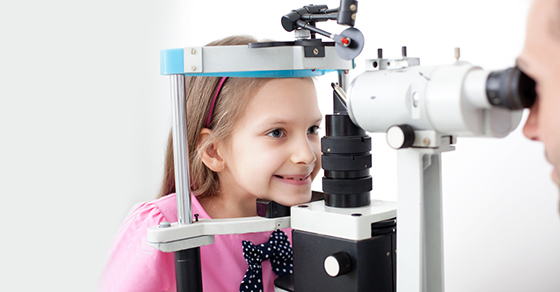
There are some simple ways to mitigate any anxiety by preparing both your child and yourself for the exam. Let’s look at some tips for how to prepare for your child’s first eye exam.
Preparing Your Child
Let’s start by suggesting that you don’t spend a lot of time talking about “testing” and eye “exams.” Some children may immediately think they are going to be judged or will give wrong answers. Instead, discuss how everyone’s eyes must be checked to find out if they are working right. Reassure them there will be no needles or anything that will hurt.
Explain how the eye doctor will give them some pictures to look at and some games to play with their eyes. Depending on their age, this will make the visit seem more like a fun activity.
The one part of the exam that can upset children is when dilating drops are administered. You can practice this at home with artificial tears and explain this is how the doctor can look inside their eyes.
Preparing Yourself
Children cannot always explain that they are having trouble with their vision. It is up to parents to observe and note certain behaviors that might be suspect. Does your child seem to blink excessively? Do they rub their eyes? Do they complain of headaches? These may be signs of vision issues.
Come prepared with information for the eye doctor concerning their family history. For example:
- Family history of eye diseases or refractive errors, like extreme nearsightedness
- Was your child born prematurely?
- Were there any instances of delayed motor development?
- List any other behaviors you may have noticed like sitting very close to the TV or computer, tilting their head, or having trouble following objects with their eyes.
Expect that the doctor will dilate your child’s eyes so be prepared to spend at least an hour at the office. Bring along some books, toys or games to keep them occupied.
Try not to schedule the appointment near their nap time, and bring along a non-perishable snack if you suspect they will get hungry. Your child will get their best evaluation if they are alert and happy.
One last piece of advice. Search out a vision center that welcomes pediatric patients, like Cedar Park Vision.
6 Tips For Getting The Best Glasses For Your Child
The eye doctor has just told you that your child needs to wear glasses for reading, computer work, or seeing in the distance. Whether this is your first experience with getting glasses for a child or if you consider yourself an old “pro,” here are 6 tips for getting the best glasses for your child.

Understand What Best Means
First and foremost the best glasses for children are those that are durable, safe, do the job they are supposed to do, and let’s not forget one of the most important prerequisites, namely, your child will wear them!
The rest doesn’t matter if they won’t or can’t wear them. They are not the best if they don’t help your child see clearly and improve his or her ability to see the world.
So how do we accomplish all this?
Let your Child Have a Say in the Choice
There are so many new and fun glasses for children in all colors and styles. If your child has their heart set on purple or orange, let them be part of the selection process. Right out of the starting gate you know they will wear them and will feel “cool”.
Get the Right Fit
Here you could use some help from the optician. If the glasses don’t sit on their nose correctly, if they are going to continually slide down, or if they are uncomfortable, just like you would, they will probably take them off whenever possible. Make sure you speak with the optician to secure a comfortable good fit whether you choose plastic or metal frames.
Make Sure They Will Stay ON
Younger children like toddlers can be the hardest on glasses. They make look adorable in them, but if they keep falling off, what’s the point. Choose glasses with wraparound temples, so the glasses fit snugly and comfortably all the way around their ears.
Look for Durability
We don’t think you want to be buying new glasses every other month, so choose polycarbonate lens material. It’s durable, safer, resists impact and many even have UV protection built in.
Although a little more expensive consider spring hinges which make the glasses more flexible. There will be less chance of breakage with active children, and it will save money in the long run.
Don’t Skimp with Sports Glasses
If your child participates in active sports, choosing prescription safety goggles is the best choice. Having them wear their normal glasses during a soccer game can lead to injury to their eyes.
Let Cedar Park Vision help you find the best glasses for your child.
Pros and Cons of LASIK Eye Surgery
 If you are like most patients who think about having LASIK, you consider all the pros and cons of LASIK eye surgery before making your decision. Surgery on your eyes is fairly significant stuff, so it would be wise to spend a little more time than say…picking out a new car or choosing the latest smartphone. So don’t rush into LASIK without weighing all the facts.
What follows is a fair and balanced look at the pros and cons of LASIK eye surgery.
The Fear Factor
Pros:
The proverbial “elephant in the room” is fear, so let’s start here. It is just a fact of life that everyone will be a little fearful when having surgery. Relax in the knowledge that there is less than a 1% chance that you will experience a vision reducing complication.
There is no pain during surgery! Numbing drops are given prior to the procedure so the most you will feel is a brief bit of pressure.
 You don’t have to worry about negatively affecting your results by blinking or moving during the procedure. A painless eyelid holder will prevent you from blinking. Your only “job” is to focus on a blinking light.
In addition, there is an eye tracker within the laser which follows even your most minuscule eye movements. Should you move too much, the laser will stop, and the procedure will continue from the exact moment it stopped.
Cons:
If you are particularly anxious, discuss this with our team of eye professionals. We will do everything possible to make this day a happy and relaxing one including administering a mild sedative.
Motivational Factors
Pros:
Are you ready to wake up and see the world without your glasses or contacts? That would certainly rank up there as a good reason to have LASIK. You will no longer have restrictions in your lifestyle, your hobbies or profession.
Life outdoors during allergy seasons will be more enjoyable minus your contact lenses.
You probably will see even better after LASIK than you ever did with your glasses or contact lenses.
Cons:
There are instances where you may need to wear glasses for certain activities like reading. Be sure to ask questions, and get a straight answer so you can make an informed decision.
Safety and Risk Factors
Pros:
LASIK is a safe and efficient way to correct your nearsightedness, farsightedness and astigmatism. Find an experienced LASIK surgeon, have a thorough LASIK evaluation and look for only the most advanced technology. Those three steps increase your odds of having great results.
The iLASIK femtosecond laser combined with the AMO-Visx excimer laser is the very same technology approved for astronauts, navy pilots, and for all first responders.
Although LASIK is the most popular elective eye surgery in the world, not everyone is a good candidate. Be sure to have a thorough evaluation, get a written list of the risks and complications, and be proactive in asking questions.
Cons:
LASIK is surgery so no one can promise perfect vision.
There will be some short-lived visual issues like halos, glare and dry eyes, but they will diminish with time. It is a good idea to have your eyes evaluated for severe dryness prior to having LASIK. In some cases your dry eye issues can be exacerbated.
There is a possibility you will need a re-treatment to tweak your results should you be over or under corrected.
The Cost Factor
Pros:
The good news is you have financing options to make LASIK more affordable today.
Patients can utilize their FSA or Flexible Spending Account to pay for LASIK and save money on their taxes at the same time.
In the long term, having LASIK surgery can actually save money compared with decades of buying new glasses, contact lenses, doctor visits and all the paraphernalia that goes with wearing contact lenses.
LASIK is a real investment in your future vision.
Cons:
Insurance plans do not cover LASIK so the cost is all out-of-pocket.
Do Your Homework
Review and thoughtfully consider all the pros and cons of LASIK eye surgery before making your decision.
- Are you motivated to improve your vision?
- Have you found an experienced LASIK surgeon?
- Don’t settle for anything less than an extensive LASIK evaluation to find out if you are a good candidate for LASIK.
- Be sure you will be treated with the most advanced technology like blade free LASIK surgery.
Have more questions? Call 512.259.2020
Come for a free LASIK evaluation at Cedar Park Vision.
3 Amblyopia Exercises
Both children and adults can have amblyopia, but it is quite common in children. It is easier to correct when you are a child, but adults can be helped as well.
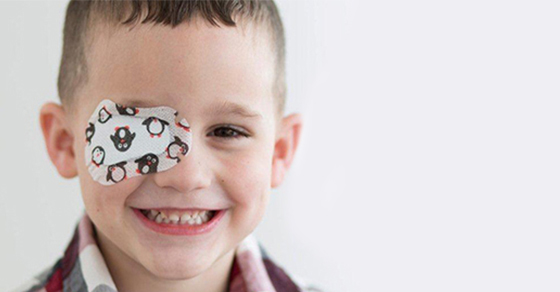
Amblyopia is a visual issue where one eye does not develop as well as the other. Put simply, the eyes have unequal focusing power. To compensate for this, patients will rely on the stronger eye while the weaker continues to decline. Also known as “lazy eye.” the brain will eventually favor the stronger eye.
Amblyopia can be difficult to diagnose unless you are examined by an experienced eye care provider. Unless this condition is treated early in life it can hamper normal visual development. Here are 3 amblyopia exercises.
Patching
Patching the stronger eye is a reliable treatment for amblyopia, and it can also be considered an exercise. It works best when used in children between the ages of 1 and 10. The stronger eye wears a patch from 2-6 hours per day to stimulate the weaker eye to work harder and the brain to make the connection.
Depending on the severity of the lazy eye, your eye doctor will prescribe the length of time to wear the patch on a daily basis and how long to continue the exercise. If your child is already wearing glasses, the patch is placed inside the lens.
In order to succeed, patching requires the complete cooperation of both parents and the teachers at school.
Drops
Another exercise of sorts is administering drops in the stronger eye each day to induce blurriness. This forces the weak eye to work harder.
At Home Eye Exercises for Amblyopia
Under the direction of your eye doctor, there are some eye exercises you can do to complement the other treatments. Do not rely on online eye exercises without checking with your doctor. Many of these are not sanctioned by the American Optometric Association. Speak to our Optometrists for their advice and recommendations for any at home exercises to aid with Amblyopia.
Early detection and treatment offer the best outcomes for amblyopia.
As our children head back to school, give them all the tools they need to succeed. If you suspect your child may have visual issues, contact Cedar Park Vision for an appointment.